

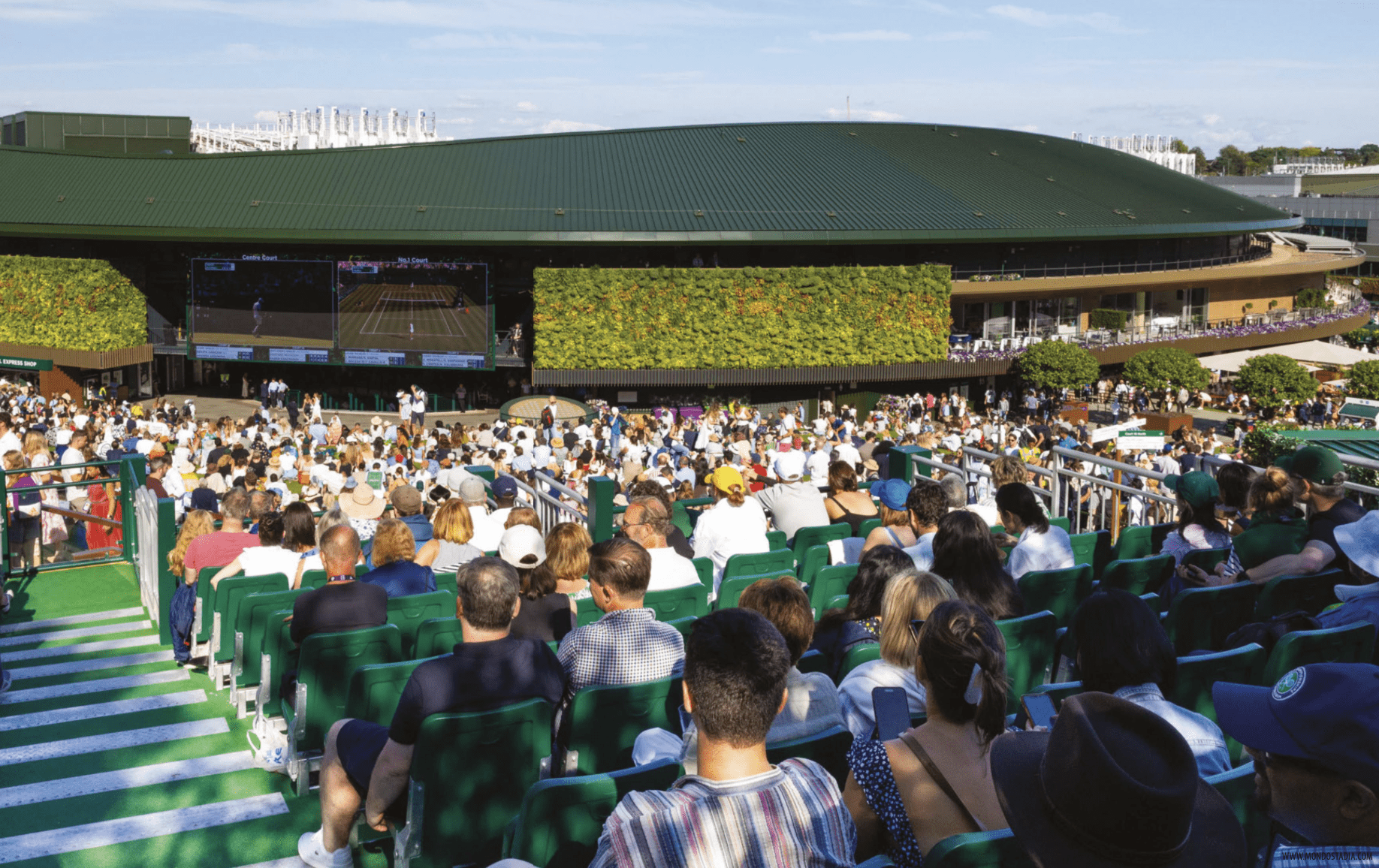
With audiences demanding higher production values, rights-holders expecting commercial growth, and operators seeking year-round utilisation, the pressure to deliver seamless cross-sector transformation has never been greater. Across the live events landscape, stadiums and arenas are no longer single-purpose buildings with fixed seasonal schedules – as venues they are expected to host elite sport, headline concerts, broadcast operations, brand activations, premium hospitality and community events, often within the same week.
These converged live environments require far more than flexible programming; they demand an engineering-led infrastructure capable of working across the technical, operational and commercial expectations of sport, entertainment and brands – without compromising safety, quality, aesthetics or speed.
Sector Convergence: The New Operational Reality
Today’s stadiums and arenas operate at a pace and complexity once reserved for major touring productions. A football stadium may need to serve as a concert venue within 48 hours; a world-class tennis site may require premium hospitality suites, broadcast compounds and sponsor environments that appear for a fortnight before being removed without a trace. This presents operators with three critical challenges: technical consistency across sectors, operational efficiency under compressed timelines, and absolute safety for the workers and users of all the temporary facilities.
Roger Barrett, Technical Director at Star Live, points to the near-impossible scenarios this coming together creates, where efficiency is paramount. “Using the Oasis tour as an example, we were providing a service as a contractor – where we were going into stadiums. One actually had a football match just a few days after the first wave of Oasis shows. Our load-out period had to be so compressed that as we were taking things out of one end, they were laying new grass at the other end.” The solution required a feat of engineering logistics, coined the ‘rolling takeover’: The only way we could make that work was this rolling takeover over a 24-hour period. We were pushing things out at one end, and they were coming in with a new pitch at the other.”
Read the full article from ISSUE 45 below: